
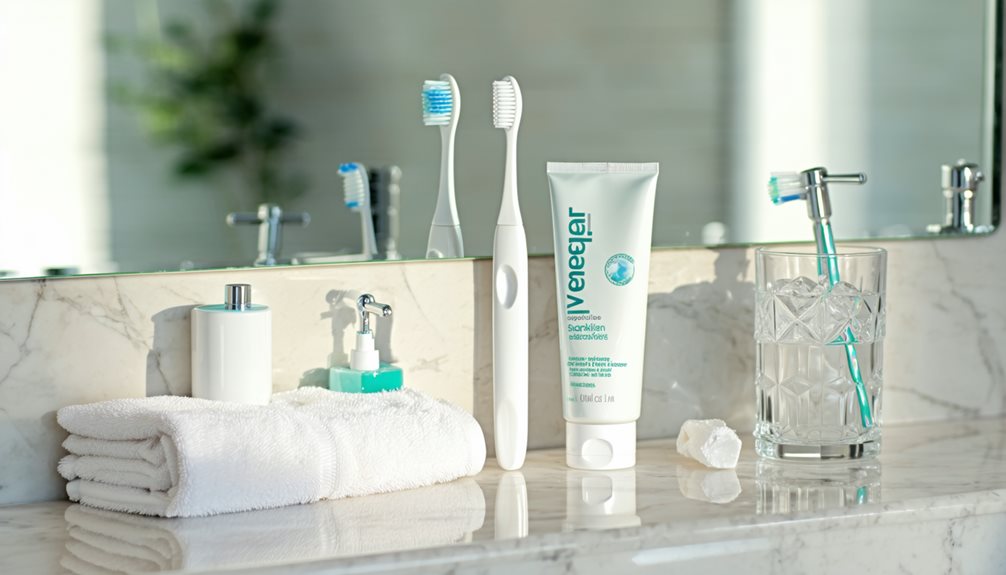
For ideal oral health care, adhere to regular brushing and flossing to disrupt bacterial biofilm and prevent dental caries. Select an appropriate toothbrush, preferably with soft bristles, and incorporate the use of fluoride toothpaste to enhance enamel protection. Limit intake of sugary foods and beverages to mitigate dental caries risk, and instead consider sugar-free alternatives for promoting enamel remineralization. Biannual dental visits are essential for early detection and prevention of oral diseases. Additionally, use protective gear such as mouthguards in sports to avert dental injuries. Embracing these strategies fosters long-term oral health with additional insights available.
Brush and Floss Regularly
Regular brushing and flossing are fundamental components of an effective oral hygiene regimen, essential for the prevention of dental caries and periodontal disease. Current research underscores the critical role of brushing frequency, recommending a minimum of twice daily to effectively disrupt and remove bacterial biofilm, also known as dental plaque. This biofilm, if not adequately managed, precipitates enamel demineralization and gingival inflammation.
Flossing techniques have undergone rigorous examination, with studies advocating for the implementation of advanced methods, such as the C-shaped flossing technique, which guarantees thorough interdental cleaning. This technique is particularly effective in removing plaque from the proximal surfaces of teeth, markedly reducing the incidence of interproximal caries and periodontal pathology.
Adopting innovative approaches to oral care practices, such as the integration of smart toothbrushes equipped with pressure sensors and timers, can optimize brushing frequency and efficacy. These devices provide real-time feedback, guaranteeing the maintenance of proper technique and duration.
In addition, professional guidance on tailored flossing techniques can lead to improved outcomes in oral health. By embracing these evidence-based strategies, individuals can effectively mitigate the risk factors associated with oral diseases, promoting a sustainable model of preventive dental care.
Choose the Right Toothbrush
Selecting the appropriate toothbrush is a crucial determinant in achieving ideal oral health. The advent of various toothbrush types, such as manual and electric, underscores the importance of informed decision-making. Evidence suggests that electric toothbrushes, particularly oscillating-rotating models, can greatly reduce plaque and gingivitis compared to manual variants. However, manual toothbrushes remain effective when used with proper technique and regularity.
An essential consideration in toothbrush selection is brush size. A head size that fits comfortably within the oral cavity can enhance accessibility to posterior teeth and hard-to-reach areas, thereby optimizing plaque removal. Typically, adult toothbrushes with a head length of about 1 inch and width of ½ inch are recommended, while children may benefit from smaller sizes designed for their unique anatomy.
Additionally, bristle texture plays a crucial role in preserving gingival tissue integrity while effectively cleaning dental surfaces. Soft-bristled toothbrushes are generally advocated for most individuals due to their superior efficacy in removing debris and reducing the risk of enamel abrasion and gingival recession.
Ultimately, the integration of advanced materials and ergonomic designs in modern toothbrushes offers an innovative approach to oral hygiene, accommodating the diverse needs and preferences of health-conscious consumers.
Use Fluoride Toothpaste
Fluoride toothpaste is an indispensable component of effective oral health care, serving as a pivotal agent in the prevention of dental caries and the remineralization of enamel. Extensive research underscores the fluoride benefits, highlighting its ability to enhance enamel resistance against acid attacks by facilitating the uptake of calcium and phosphate ions, thereby promoting remineralization.
This process is essential in counteracting early demineralization processes that occur due to bacterial acidogenesis in dental plaque biofilms.
In the quest for innovative oral health solutions, the market offers diverse toothpaste types, each formulated to cater to specific needs. The standard sodium fluoride toothpaste remains a staple due to its proven efficacy.
However, for those seeking advanced care, formulations incorporating stannous fluoride provide added antimicrobial properties, offering superior protection against gingivitis and plaque accumulation. Additionally, some toothpaste types integrate ingredients like xylitol, which synergistically enhance fluoride benefits by inhibiting bacterial adherence and reducing acid production.
Selecting the appropriate fluoride toothpaste tailored to one’s individual oral health requirements is paramount. By leveraging the advancements in dental formulation science, individuals can fortify their oral hygiene regimen, ensuring robust protection and long-term oral health sustainability.
Limit Sugary Foods and Drinks
The consumption of sugary foods and drinks is a primary contributor to dental caries, as sugars are metabolized by oral bacteria into acids that demineralize tooth enamel.
Clinical studies have demonstrated that reducing sugar intake can considerably decrease the incidence of enamel erosion and subsequent cavity formation.
Additionally, opting for sugar-free alternatives, particularly those containing xylitol or erythritol, can offer protective benefits by inhibiting bacterial growth and reducing acid production in the oral cavity.
Effects on Tooth Enamel
Tooth enamel, the outermost protective layer of teeth, plays a crucial role in maintaining oral health, yet it is particularly vulnerable to the erosive effects of sugary foods and drinks. Frequent exposure to these substances can lead to enamel erosion, a process that weakens this essential barrier and increases the risk of cavities and tooth decay.
The sugars found in many popular beverages and snacks interact with oral bacteria to produce acids, which gradually demineralize the enamel. This demineralization disrupts the delicate balance necessary for maintaining strong, healthy teeth.
Fortunately, science offers innovative remineralization techniques to counteract enamel erosion. Strategies such as fluoride application and the use of calcium-phosphate-based products can help restore lost minerals and fortify enamel. Employing these methods as part of a thorough oral care routine can mitigate the detrimental effects of sugary consumables.
Here are some key considerations for protecting tooth enamel:
- Limit intake of acidic and sugary foods.
- Rinse with water after consuming sugary snacks.
- Incorporate remineralization agents in your oral care regimen.
- Brush teeth with fluoride toothpaste twice daily.
- Regularly consult with dental professionals for tailored advice.
These steps will aid in preserving enamel integrity, promoting long-term oral health.
Sugar-Free Alternatives Benefits
In the domain of oral health, sugar-free alternatives offer compelling advantages for individuals aiming to limit sugary foods and drinks. Embracing sugar substitutes, such as xylitol and erythritol, not only reduces caloric intake but also mitigates the adverse effects of sucrose on dental hygiene.
These alternatives do not contribute to the acidogenic potential of oral bacteria, thereby decreasing the risk of dental caries. Furthermore, sugar substitutes stimulate salivary flow, enhancing the natural remineralization process of tooth enamel, which is critical for maintaining robust oral health.
Clinical studies indicate that sugar substitutes are effective in reducing the incidence of cavities and promoting overall dental hygiene. For instance, xylitol has been shown to inhibit the growth of Streptococcus mutans, a primary bacterial agent in tooth decay.
Erythritol, another popular substitute, exhibits non-cariogenic properties, making it an innovative choice for oral health enthusiasts. In addition, these compounds are often incorporated into sugar-free gums and dental products, further supporting their role in preventive dentistry.
Incorporating sugar-free alternatives into one’s diet not only aligns with contemporary health trends but also exemplifies a proactive approach to oral care, underscoring the importance of innovation in achieving ideal dental hygiene.
Visit Your Dentist Biannually
Ensuring ideal oral health includes regular professional evaluations, as visiting your dentist biannually plays an essential role in maintaining dental hygiene. This practice is fundamental to preventive care, enabling early detection of potential issues such as carious lesions and periodontal disease.
Professional cleanings, conducted during these visits, are essential in removing plaque and tartar accumulations that daily brushing and flossing might miss. In addition, routine dental examinations can identify systemic health issues that manifest in the oral cavity, offering opportunities for early intervention and innovative treatment strategies.
Biannual dental checkups contribute greatly to long-term oral health by:
- Preventing Advanced Dental Conditions: Early detection and treatment inhibit progression to more severe states.
- Enhancing Oral Hygiene: Professional cleanings complement personal hygiene practices, resulting in reduced bacterial load.
- Facilitating Personalized Care Plans****: Dentists can tailor treatment regimens based on individual risk factors and lifestyle.
- Encouraging Patient Education****: Patients gain insights into effective oral hygiene techniques and dietary choices.
- Boosting Overall Health**: Oral conditions are linked to systemic diseases**, so preventing them benefits overall well-being.
Incorporating biannual dental visits into your healthcare routine exemplifies a commitment to both preventive care and innovation, ensuring ideal oral and systemic health.
Protect Your Teeth From Injury
While regular dental visits are pivotal in maintaining oral health, safeguarding your teeth from injury is equally important. The implementation of preventative measures, such as mouthguards, plays a critical role in mitigating dental trauma, particularly in high-impact sports.
Mouthguards are scientifically engineered to absorb and dissipate force, greatly reducing the likelihood of tooth fractures, dislocations, or soft tissue injuries. The benefits of mouthguards extend beyond immediate physical protection; they also contribute to long-term oral health by averting costly restorative procedures.
Sports safety is paramount, especially for individuals engaged in contact or high-velocity activities. Evidence indicates that athletes who do not use mouthguards are 60 times more likely to sustain dental injuries.
Custom-fitted mouthguards, crafted by dental professionals, offer enhanced protection and comfort compared to over-the-counter alternatives. They conform precisely to the dental arches, ensuring stability and unobstructed breathing.
Incorporating mouthguards into standard sports equipment is an innovative step towards extensive athlete safety protocols. Additionally, educational initiatives are essential to raise awareness about the importance of dental protection in sports.
Frequently Asked Questions
How Can Stress Affect My Oral Health?
Stress can negatively impact oral health by contributing to periodontal disease and bruxism. Effective stress management techniques combined with meticulous oral hygiene practices are essential strategies to mitigate these risks and promote ideal oral health outcomes.
What Role Does Diet Play in Oral Health?
Diet plays a critical role in oral health by influencing nutrient absorption necessary for dental strength and resilience, while excessive sugar intake can exacerbate tooth decay. Innovative dietary strategies can optimize oral health through balanced nutrient distribution and sugar moderation.
Can Certain Medications Impact My Dental Health?
Certain medications can substantially impact dental health through side effects such as xerostomia or gingival hyperplasia. These conditions may necessitate specialized dental treatments to mitigate adverse outcomes, underscoring the importance of integrating medical and dental care innovations.
How Does Smoking Influence Oral Hygiene?
Smoking effects on oral hygiene include increased risk of periodontal disease, tooth discoloration, and oral cancer. Tobacco cessation is essential in mitigating these risks, promoting innovative oral health strategies, and enhancing long-term dental well-being.
Are There Natural Remedies for Improving Oral Health?
Natural remedies, such as herbal mouthwash and oil pulling, have gained attention for potential oral health benefits. Herbal mouthwash may reduce bacteria, while oil pulling, an ancient practice, purportedly decreases plaque and improves gingival health, warranting further research.
Conclusion
In summary, maintaining ideal oral health necessitates adherence to several evidence-based practices. Regular brushing and flossing, in conjunction with the appropriate selection of toothbrush and fluoride toothpaste, form the cornerstone of effective oral hygiene. Limiting the intake of sugary foods and beverages plays a significant role in preventing dental caries. Biannual dental visits enable early detection and intervention of oral health issues. Additionally, safeguarding teeth from injury through protective measures further contributes to the preservation of dental integrity and overall oral health.

