
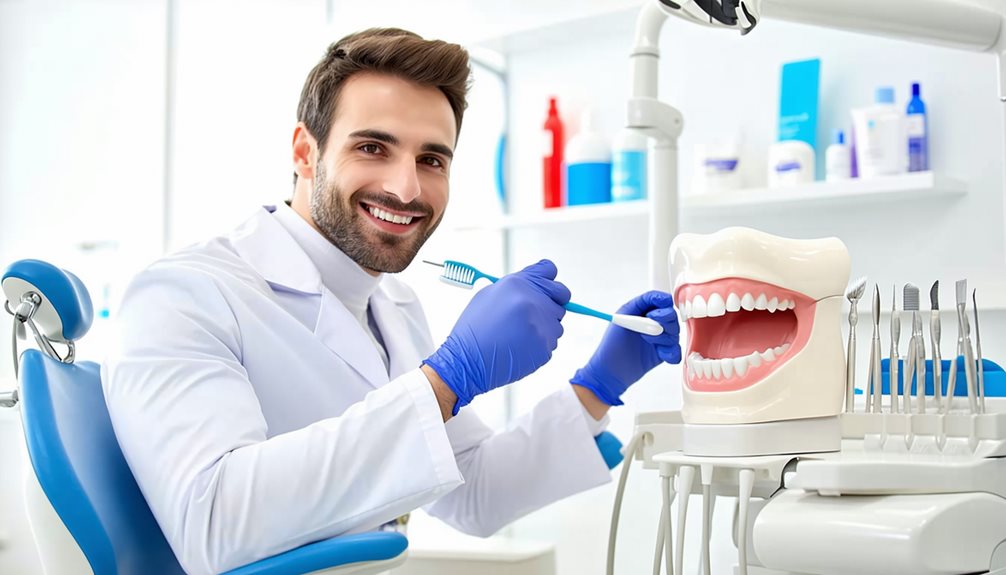
Achieving optimal oral health begins with selecting appropriate oral care tools, such as electric toothbrushes with pressure sensors for superior plaque removal. Employ correct brushing techniques, using gentle, circular motions at a 45-degree angle, and brush for at least two minutes twice daily. Flossing is essential; use 18 inches of floss to form a C-shape around each tooth, or consider water flossers. Dietary choices greatly impact oral health; limit sugars and acids while staying hydrated to aid enamel remineralization. Finally, schedule regular dental check-ups to detect potential issues early and guarantee extensive care. Further insights can illuminate these practices.
Choose the Right Toothbrush
Selecting the appropriate toothbrush is a critical component in maintaining ideal oral health, as it directly influences the effectiveness of daily oral hygiene practices.
Toothbrush materials play a significant role in the design and functionality of these essential tools. The bristles, typically crafted from nylon, vary in texture from soft to hard, with soft bristles recommended by dental professionals to minimize enamel abrasion and gum irritation.
Innovations in toothbrush design have introduced alternative materials such as silicone, offering enhanced durability and flexibility, appealing to those seeking cutting-edge oral care solutions.
The debate of electric vs manual toothbrushes remains central to discussions on best oral hygiene.
Electric toothbrushes, equipped with oscillating or sonic movements, are engineered to deliver superior plaque removal, especially in hard-to-reach areas, consequently appealing to tech-savvy individuals enthusiastic for enhanced efficacy.
These devices often feature pressure sensors and timers, providing clinical benefits that manual brushes lack.
However, manual toothbrushes offer simplicity and accessibility, allowing users to control brushing intensity and technique with precision.
Master Proper Brushing Techniques
To achieve ideal oral hygiene, mastering proper brushing techniques is paramount. The foundation of effective oral care begins with an understanding of brushing frequency, which should be at least twice daily. This frequency guarantees the removal of plaque, a biofilm that harbors bacteria responsible for tooth decay and periodontal disease.
The technique involves a systematic approach, using gentle circular motions with a toothbrush at a 45-degree angle to the gumline. This angle facilitates the removal of debris and microbes from the gingival sulcus, an area prone to plaque accumulation.
To augment brushing efficacy, toothpaste selection is critical. Opt for formulations containing fluoride, a mineral that enhances enamel remineralization and fortifies resistance against acid attacks. Innovations in toothpaste also include ingredients like triclosan and stannous fluoride, which offer antibacterial properties and gingival health benefits.
In addition, the duration of brushing should not be overlooked; a minimum of two minutes is recommended to guarantee thorough coverage. Employing a quadrant approach—dedicating equal time to each section of the mouth—can enhance thoroughness.
Adopting these precise techniques, supported by advancements in dental products, is integral to achieving superior oral health outcomes.
Floss Daily for Best Results
Incorporating daily flossing into oral hygiene regimens is essential for ideal dental health. The interdental spaces often elude even the most proficient brushing techniques, making flossing an indispensable adjunct in thorough dental hygiene. Mastery of flossing techniques is imperative to effectively dislodge plaque and food particles entrapped between teeth, which are precursors to periodontal disease and dental caries.
To optimize flossing efficacy, dental professionals recommend employing approximately 18 inches of dental floss, ensuring each segment is used only once to prevent reintroducing bacteria. The method involves gently sliding the floss between the teeth, forming a C-shape around each tooth, and carefully guiding it beneath the gum line to remove subgingival debris.
Attention to detail and consistency in this practice fortify the oral microbiome and mitigate the risk of gingivitis.
For those inclined towards technological advancements, innovative tools such as water flossers and interdental brushes offer alternative flossing techniques, catering to diverse anatomical and dexterity needs. These devices can enhance plaque removal efficacy, especially in patients with orthodontic appliances or limited manual dexterity.
Limit Sugar and Acidic Foods
A pivotal factor in maintaining ideal oral health is the regulation of dietary intake, particularly concerning sugary and acidic food substances. Excessive consumption of sugars and acids leads to demineralization of enamel, fostering an environment conducive to caries formation and erosion.
Clinicians advocate for a strategic reduction in these foods to mitigate adverse dental outcomes. This approach not only preserves enamel integrity but also promotes a balanced oral microbiome.
Exploring sugar substitutes such as xylitol and erythritol can be beneficial. These polyols not only mimic the sensory properties of sucrose but also exhibit non-cariogenic characteristics, disrupting the metabolic activity of plaque bacteria.
Consequently, incorporating these substitutes can innovatively curtail the cariogenic potential without compromising taste.
Similarly, identifying acidic alternatives is essential in minimizing exposure to erosive agents. Incorporating alkaline-rich foods or beverages, such as milk and certain vegetables, can neutralize oral pH, counteracting the detrimental effects of acids.
Additionally, advising on the timing of acidic food intake, such as consuming them during meals, can reduce their impact by enhancing salivary flow and buffering capacity.
Schedule Regular Dental Check-Ups
Regular dental check-ups are a cornerstone of preventive dentistry, ensuring the consistent monitoring of oral health status.
By maintaining a routine schedule with dental professionals, individuals benefit from the early detection of potential pathologies, such as caries or periodontal disease, which can mitigate the progression of more severe conditions.
This proactive approach not only facilitates timely interventions but also contributes to overall systemic health by reducing the risk of oral infections that may impact other bodily systems.
Importance of Consistency
To maintain ideal oral health, consistency in scheduling regular dental check-ups is essential. The integration of these appointments into one’s daily routine is vital for sustaining peak oral hygiene. Regular visits to the dental clinic guarantee a systematic evaluation of oral health status, providing opportunities for early intervention and continuous care.
Key considerations in establishing consistency include:
-
Personalized schedules: Tailor dental visit frequency based on individual needs, risk factors, and professional recommendations.
-
Technological integration: Utilize digital reminders and scheduling apps to maintain adherence to dental appointments.
-
Interdisciplinary approach: Collaborate with dental professionals to create a thorough oral care plan that complements daily hygiene practices.
-
Preventive focus: Emphasize the role of preventive care in mitigating oral diseases and enhancing long-term dental health.
-
Feedback mechanisms: Engage in continuous dialogue with dental practitioners to adjust care strategies based on real-time feedback and clinical findings.
For those who desire innovation in oral health management, these practices not only enhance the effectiveness of regular check-ups but also synchronize them with broader health objectives.
Benefits of Early Detection
In the domain of dental medicine, early detection of oral health issues is paramount, serving as a cornerstone for effective treatment and prevention strategies. Regular dental check-ups facilitate early diagnosis, identifying potential pathologies such as caries, periodontal disease, and oral malignancies in their incipient stages. This proactive approach not only mitigates the progression of oral diseases but also considerably reduces the need for invasive interventions, thereby enhancing patient outcomes and preserving oral health integrity.
The integration of advanced diagnostic tools, such as digital radiography and intraoral scanning, empowers dental professionals to uncover subclinical conditions with unprecedented accuracy. Such innovations in diagnostic technology underscore the importance of scheduling routine examinations as a form of preventive care.
Early intervention, guided by these precise diagnostic capabilities, allows for the implementation of tailored therapeutic regimens that address individual patient needs, optimizing the likelihood of successful treatment and long-term oral health maintenance.
Furthermore, early detection contributes to cost-effective dental care by circumventing the need for complex procedures that arise from neglected conditions. Emphasizing the significance of regular dental visits in patient education not only fosters a culture of proactive health management but also aligns with contemporary trends in personalized medicine, where prevention takes precedence.
Stay Hydrated for Oral Health
Maintaining adequate hydration is fundamental for ideal oral health, as it facilitates the production of saliva, which is essential for the remineralization of teeth and the neutralization of harmful acids produced by bacterial metabolism.
Optimal water intake serves as a non-invasive, cost-effective strategy to bolster oral hygiene practices. Water, devoid of sugars and acids found in other beverages, supports the cleansing of the oral cavity, diminishing plaque accumulation and fostering a balanced oral microbiome.
To achieve and maintain superior oral health through hydration, consider the following hydration benefits:
-
Enhanced Salivary Flow: Consistent water intake promotes saliva production, which is critical for washing away food particles and buffering oral pH levels.
-
Plaque Management: Hydration helps dilute the acidic environment created by bacteria, reducing the risk of plaque development and dental caries.
-
Tissue Health: Adequate hydration guarantees the maintenance of moist, resilient oral tissues, preventing conditions like xerostomia (dry mouth).
-
Mineralization: Water’s facilitation of saliva production aids in the natural remineralization process, strengthening enamel.
-
Systemic Health Integration: Proper hydration supports systemic health, indirectly influencing oral health by improving nutrient transport and waste elimination.
Incorporating strategic hydration practices into daily routines represents a sophisticated approach to advancing oral health outcomes, aligning with innovative health paradigms.
Frequently Asked Questions
How Can Stress Impact My Oral Health?
Stress can adversely affect oral health by leading to stress-induced bruxism, a condition characterized by teeth grinding. Additionally, anxiety can negatively impact oral hygiene practices, potentially exacerbating periodontal disease and increasing susceptibility to dental caries, necessitating innovative management strategies.
Are Natural Remedies Effective for Maintaining Oral Hygiene?
Natural remedies, such as natural toothpaste and herbal mouthwash, can be effective for maintaining oral hygiene. These alternatives often contain antimicrobial and anti-inflammatory properties, contributing to oral health. However, clinical validation and individual response may vary considerably.
Do Genetics Play a Role in Dental Health?
Hereditary factors considerably influence dental health, with genetic predisposition affecting susceptibility to conditions such as periodontal disease, tooth decay, and malocclusion. Understanding genetic contributions enables the development of personalized, innovative strategies for prevention and treatment, fostering advanced oral healthcare solutions.
What Is the Connection Between Oral Health and Heart Disease?
Emerging research indicates a significant connection between gum disease and cardiovascular health. Inflammatory processes from periodontal infections may exacerbate systemic inflammation, contributing to atherosclerosis and heightened cardiovascular risk, necessitating interdisciplinary approaches to innovative prevention and treatment strategies.
How Does Pregnancy Affect Oral Health?
Pregnancy impacts oral health through hormonal fluctuations, namely pregnancy hormones, which may exacerbate gingivitis. Additionally, dental cravings can lead to altered dietary habits, increasing the risk of cavities, necessitating proactive dental care and innovative preventive strategies.
Conclusion
In summary, achieving ideal oral health necessitates the selection of an appropriate toothbrush and the mastery of effective brushing techniques. Daily flossing is essential for maintaining interdental cleanliness, and the reduction of sugar and acidic food intake mitigates the risk of dental erosion and caries. Regular dental check-ups play an important role in the early detection and management of oral health issues. Additionally, adequate hydration supports salivary function, which is essential for maintaining oral homeostasis and overall dental health.

